Things to Do in Pula: 15 Highlights from the Arena to Hawaii Beach
Things to do in Pula: the Arena, old town with Forum and Arch of the Sergii, Aquarium, Zerostrasse, Hawaii Beach and more – with 2026 prices and tips.
Pula is the largest city in Istria and has been its centre for more than 2,000 years. Here, Roman buildings are not locked away in a museum but stand in the middle of everyday life: you drink your coffee next to a triumphal arch, buy fruit in an Art Nouveau market hall and then walk past the amphitheatre down to the harbour. We have gathered the best things to do in Pula for you – from the classics in the old town to the swimming coves in the south.
Pula Old Town
The old town spreads around the hill now crowned by the Venetian castle. Large parts are car-free, and the main streets, Sergijevaca and Kandlerova, link the most important sights. A walk with breaks takes a good two to three hours – it is loveliest in the morning or early evening.
1. The Arena (Amphitheatre)
The city’s landmark: the Roman amphitheatre from the 1st century is one of the best preserved in the world. The outer wall still stands almost in full. According to the Pula Tourist Board, admission in 2026 costs €10 for adults and €5 for children. For opening hours, concerts and gladiator shows, see our guide to the Pula Arena.
2. The Forum and Temple of Augustus
The Forum was the city’s main square in antiquity – and it still is today. Here stands the Temple of Augustus, which according to the tourist board was dedicated to the goddess Roma and Emperor Augustus and built between 2 BC and AD 14. Next to it is the medieval town hall, whose rear wall still contains remains of a second Roman temple. A café on the Forum is the perfect place to watch the world go by.
3. Arch of the Sergii (Golden Gate)
The triumphal arch of the Sergii family, dating from the 1st century BC, marks the entrance to the pedestrian zone. Right next to it, a bronze statue of James Joyce sits outside a café – the Irish writer lived briefly in Pula and taught English here.
4. Gate of Hercules and Twin Gates
Pula once had a city wall with numerous gates. Among those that survive are the Gate of Hercules, considered the oldest Roman structure in the city, and the Twin Gates with their two arches. Both are just a few steps apart on the edge of the old town.
5. The Castle and Historical Museum
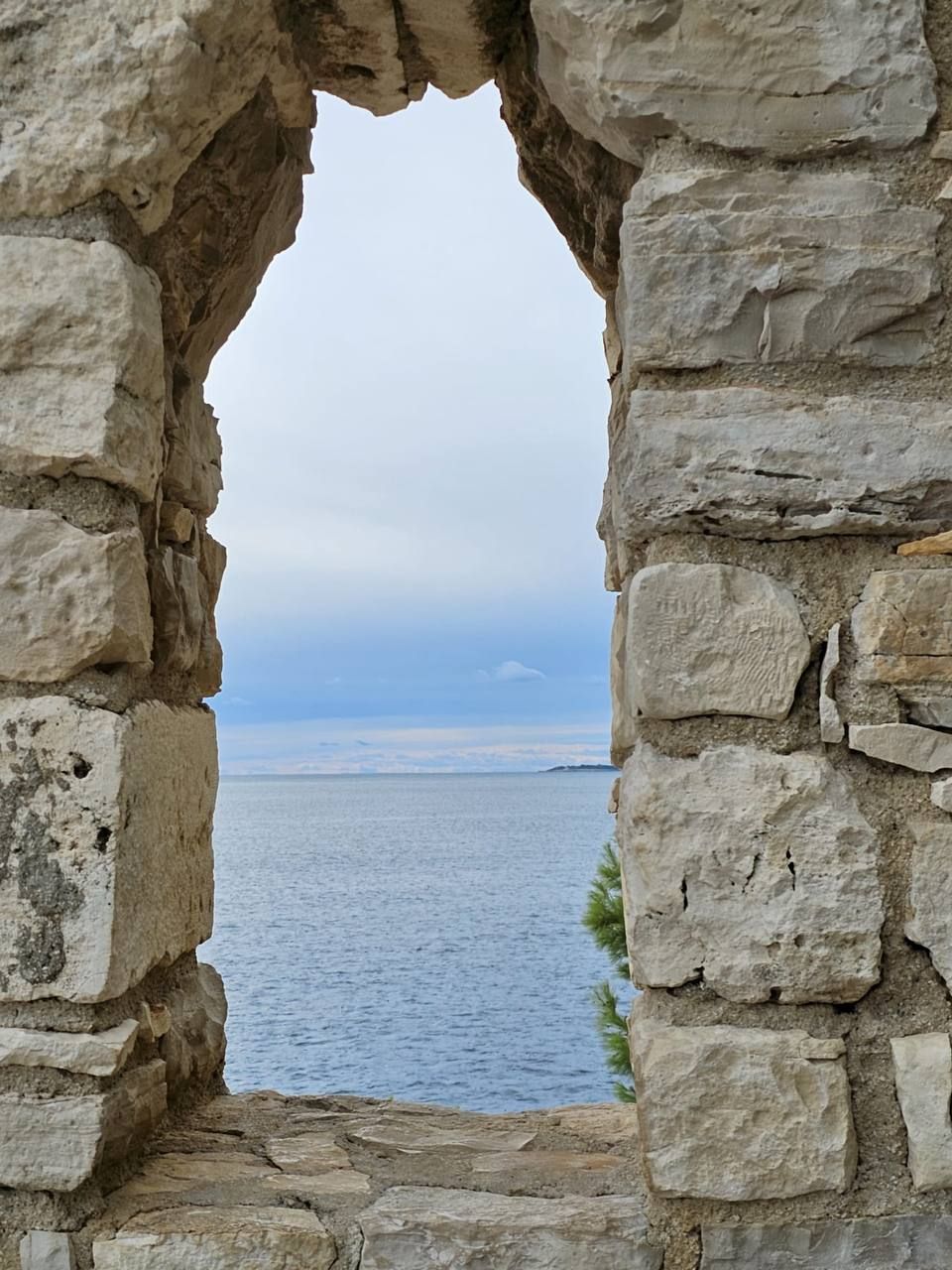
At the very top of the hill stands the star-shaped Venetian castle. Inside is the Historical and Maritime Museum of Istria. According to the tourist board, admission for adults is €7 (as of 2026). The real reason to climb up, though, is the view from the bastions: over rooftops, the harbour, the shipyard cranes and the Arena.
6. Small Roman Theatre
On the slope below the castle lie the remains of a small Roman theatre. Many visitors walk straight past it – yet it is a quiet, atmospheric spot, especially in the late afternoon.
7. The Cathedral and the Dirce Mosaic
Near the harbour stands the Cathedral of the Assumption of Mary with its freestanding bell tower. Not far away, hidden in a backyard, lies a well-preserved Roman floor mosaic depicting the Punishment of Dirce from Greek mythology. It is freely accessible and one of the old town’s loveliest little hidden gems.
8. The Market Hall
The historic iron-and-glass market hall on Narodni trg is the heart of daily life. Downstairs there is fish, upstairs cheese, ham and olive oil, and outside the stalls sell fruit and vegetables. Come in the morning, when it is at its busiest. For restaurant tips afterwards, see our guide to konobas and restaurants.
9. Zerostrasse
A network of tunnels from the First World War runs beneath the old town. Part of it is open to visitors as Zerostrasse – pleasantly cool in summer. According to the tourist board, adults pay €8 and children aged 5 to 16 pay €3 (as of 2026, please check). It is also a good plan for a rainy day – find more ideas in our guide to a rainy day in Pula and Istria.
10. Lighting Giants
Pula is a shipyard city. The huge cranes of the Uljanik shipyard are lit up in colour in the evening and are known as the “Lighting Giants”. The best views are from the waterfront promenade or from the castle.
Sights Outside the Old Town
11. Pula Aquarium in Fort Verudela
Croatia’s largest aquarium is housed in an old Austro-Hungarian fortress on the Verudela peninsula. It showcases the underwater world of the Adriatic, plus tropical tanks and a jellyfish exhibition. According to aquarium.hr, these prices and times apply (as of 2026):
| Ticket | Price |
|---|---|
| Adults | €25 |
| Students, 65+, children 7–18 | €20 |
| Children 3–6 | €16 |
| Children under 3 | free |
The aquarium is open all year round (except 25 December and 1 January): in July and August daily from 9 am to 10 pm, from November to March from 10 am to 6 pm. Allow one to two hours.
12. Hawaii Beach
Hawaii Beach (Havajska plaža) lies on the southern side of the Verudela peninsula. According to kroati.de, it is covered in white pebbles and has bright turquoise water, surrounded by rocks. It is small and fills up quickly in summer – come early. For more swimming spots, see our guide to beaches in Pula.
13. Verudela and Stoja Peninsulas
Verudela is Pula’s classic swimming area, with a marina, promenades and lots of small coves. Further west lies the Stoja peninsula with rocky bathing spots and pine woods.
14. Punta Christo Fortress
In the north of the city near Štinjan stands Punta Christo, one of the many Austro-Hungarian fortresses around Pula. Festivals and events are occasionally held here in summer; check in advance whether it is currently open.
15. Brijuni Islands
Off the coast north of Pula lies Brijuni National Park. Boats depart from Fažana, about a 20-minute drive from the centre. Everything about the trip is in our guide to Brijuni National Park.
Tips for Your Visit to Pula
- Parking: There are paid car parks around the Arena and at the harbour. In high summer they fill up quickly by midday – arrive early or come in the evening.
- Heat: In July and August, spend the middle of the day in the aquarium, in Zerostrasse or on the beach, and explore the old town in the evening.
- Plan a combination: Old town and market in the morning, swimming at Verudela in the afternoon, the Arena and harbour in the evening.
- Weather: Check whether sun or rain is forecast on our Pomer weather page.
From Little Dream
Little Dream in Pomer is about 8.8 km from the Arena. By car you are in town in no time, can park at the harbour and explore the old town on foot. Verudela, with the aquarium and Hawaii Beach, is also on the southern side of the city, facing Pomer. Our map shows exactly where everything is. After a long day in the city, peace and quiet await in Pomer: the garden, the lounge terrace and a refreshing outdoor shower.
Roman history in the morning, garden and sea in the afternoon? Send an enquiry for Little Dream and discover Pula at your own relaxed pace.
Frequently asked questions
What should you see in Pula?
The must-sees are the Roman Arena, the Forum with the Temple of Augustus, the Arch of the Sergii and a stroll through the car-free old town. Add to that the castle with its views over the city, the aquarium in Fort Verudela and a swim at Hawaii Beach.
Does Pula have a nice old town?
Yes. Pula's old town wraps around the castle hill and is largely car-free. In its lanes you keep stumbling upon Roman structures such as gates, temples and mosaics, with cafés, small shops and the historic market hall in between.
What are the hidden gems in Pula?
Lesser-known spots include the underground tunnels of Zerostrasse, the Punishment of Dirce mosaic, the small Roman theatre behind the castle and the illuminated shipyard cranes, the "Lighting Giants", in the evening. For swimming, head to the Verudela peninsula and Hawaii Beach.
How much does the Pula Aquarium cost?
According to the official price list on aquarium.hr, adults pay €25; students, seniors aged 65+ and children aged 7 to 18 pay €20; children aged 3 to 6 pay €16. Children under 3 go free. Prices as of 2026, please check before you go.
What is Pula known for?
Pula is best known for its Roman amphitheatre, one of the best preserved in the world. The city has also been the administrative centre of Istria since antiquity, has a long shipbuilding tradition and lovely swimming coves on the Verudela and Stoja peninsulas.